How to Conduct a Job Interview: A Practical Guide for Employers
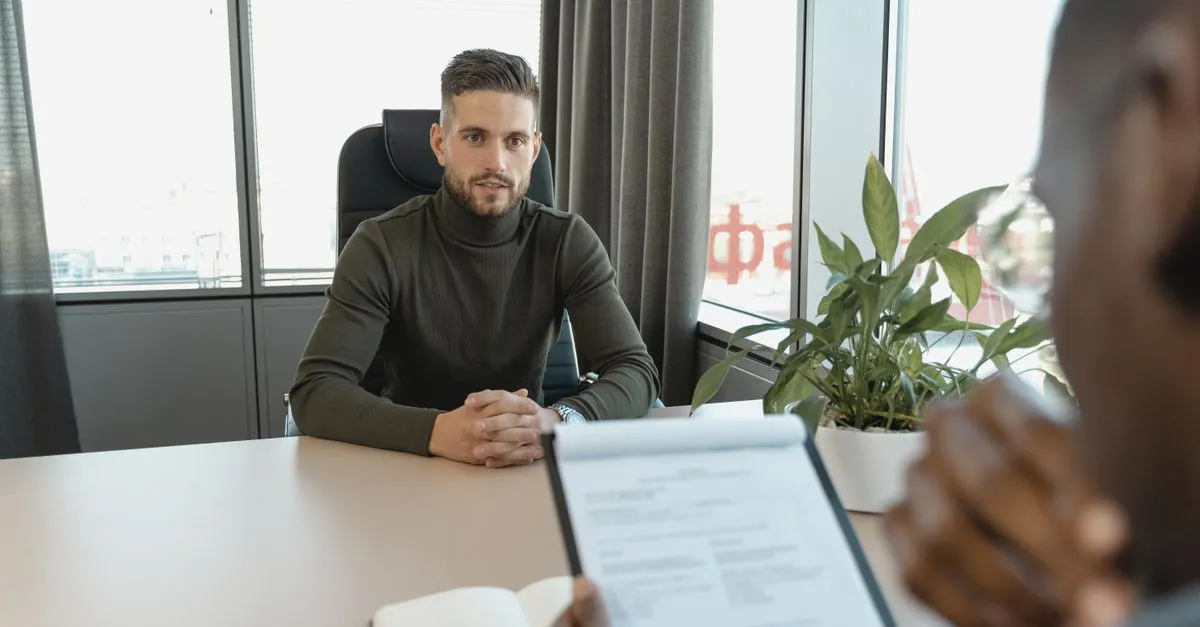
You've posted the job, sifted through countless applications, and now you're staring at a stack of resumes. The next critical step is the interview, and if you're not conducting them effectively, you're likely missing out on the best candidates and hiring the wrong people. A poorly run interview is a drain on resources and a missed opportunity to build a strong team.
The goal isn't just to fill a seat. It's to find someone who has the skills, the attitude, and the potential to thrive in your organization. This requires a structured, thoughtful approach. This guide breaks down how to conduct a job interview as an employer, ensuring you get the insights you need to hire with confidence.
Prepare Your Interview Structure
Before the candidate even walks in the door, you need a plan. This isn't about memorizing questions, but about having a clear objective for the conversation. What key skills, experiences, and personality traits are you looking for? Define these upfront.
Create a consistent set of core questions for all candidates applying for the same role. This ensures you're comparing apples to apples. Use a scoring rubric or notes system to objectively evaluate responses against your defined criteria. This prevents unconscious bias from swaying your decision.
Key Preparation Steps:
- Review the job description and identify the 3-5 most critical requirements.
- Develop behavioral interview questions based on these requirements (e.g., 'Tell me about a time you faced a major challenge and how you overcame it.').
- Prepare situational questions to assess problem-solving abilities (e.g., 'Imagine a client is unhappy with our service. How would you handle it?').
- Research the candidate's resume and LinkedIn profile to tailor specific questions.
- Determine who will be involved in the interview and their roles.
- Set up the interview space: ensure it's quiet, comfortable, and free from interruptions.
Start with a Warm Welcome
The interview begins the moment the candidate arrives. A positive and professional introduction sets the tone. Make them feel comfortable, but maintain a professional demeanor.
Briefly outline the interview agenda. Let them know what to expect: who will be asking questions, approximately how long the interview will last, and that there will be time for their questions. This transparency can reduce candidate anxiety and lead to more natural responses.
Ask Insightful Questions
This is the core of the interview. Move beyond superficial questions and delve into how the candidate thinks, solves problems, and collaborates. Behavioral and situational questions are your best tools here.
Probing Questions to Consider:
- Skills and Experience: 'Describe a project where you had to learn a new technical skill quickly. How did you approach it?'
- Problem-Solving: 'Walk me through your process for troubleshooting a complex technical issue.'
- Teamwork and Collaboration: 'Tell me about a time you disagreed with a colleague on a project. How did you resolve it?'
- Adaptability: 'Describe a situation where project requirements changed unexpectedly. How did you adjust?'
- Motivation and Goals: 'What aspects of this role are most exciting to you, and why?'
Listen more than you speak. Pay attention not only to what candidates say but how they say it. Are they articulate, concise, and confident? Do their answers align with the company culture and the demands of the role?
For roles requiring specific technical expertise, you might incorporate a short, practical assessment or ask candidates to walk you through their approach to a typical problem. Tools like HackerRank or LeetCode can be useful for assessing technical aptitude, but remember that technical skills are only part of the picture. Ensure your assessment aligns with the actual tasks involved in the job.
Evaluate Cultural Fit and Soft Skills
Technical proficiency is important, but a candidate's ability to integrate into your existing team and align with your company's values is equally vital. Assess how they communicate, their attitude towards feedback, and their general demeanor.
Consider questions like: 'What kind of work environment do you thrive in?' or 'How do you handle constructive criticism?' Their answers can reveal a lot about their potential to be a good team player and a positive influence on your workplace. A candidate who is technically brilliant but clashes with the team can be more detrimental than beneficial.
Provide Ample Time for Candidate Questions
Candidates have questions for you, and their questions reveal their engagement and thoughtfulness. Allocate sufficient time for this part of the interview. A candidate who asks no questions might be disengaged, or simply unprepared.
Encourage them to ask about the role, the team, the company culture, or growth opportunities. Their questions can provide valuable insights into what they prioritize and whether their expectations align with reality. This is also your chance to sell them on the opportunity and your company.
Closing the Interview
Reiterate the next steps in the hiring process. Let the candidate know when they can expect to hear back from you and who will be their main point of contact. Thank them for their time and interest.
Avoid making any promises or definitive statements about hiring them during the interview. Keep the conversation professional and focused on gathering information.
Post-Interview Evaluation
The interview doesn't end when the candidate leaves. Immediately after, take time to document your impressions while they are fresh. Refer back to your scoring rubric and notes.
Discuss the candidate with any other interviewers. Compare notes and identify any discrepancies or areas of consensus. This collaborative evaluation helps to mitigate individual biases and provides a more rounded assessment.
If you're struggling to find the right fit, consider broadening your search. MorrJobs offers a vast pool of talent across various industries and specialties. You can post your job opening or explore profiles of available professionals on MorrJobs to find candidates that match your specific needs.
By implementing a structured and thoughtful interview process, you can move beyond simply filling positions to strategically building a high-performing team. Making the right hire starts with asking the right questions and listening carefully to the answers.
A MorrJobs takeaway
Put this guide to work
Use this guide while working on one real application: choose one recommendation and apply it before you submit.
Keep Reading
Related posts
MorrJobs Assistant
Ask about this article
Ask questions about this article’s ideas, advice, examples, and practical takeaways. I only use the information in this post, so I can clarify anything you may have missed while reading.